

How your pet travels on a private flight
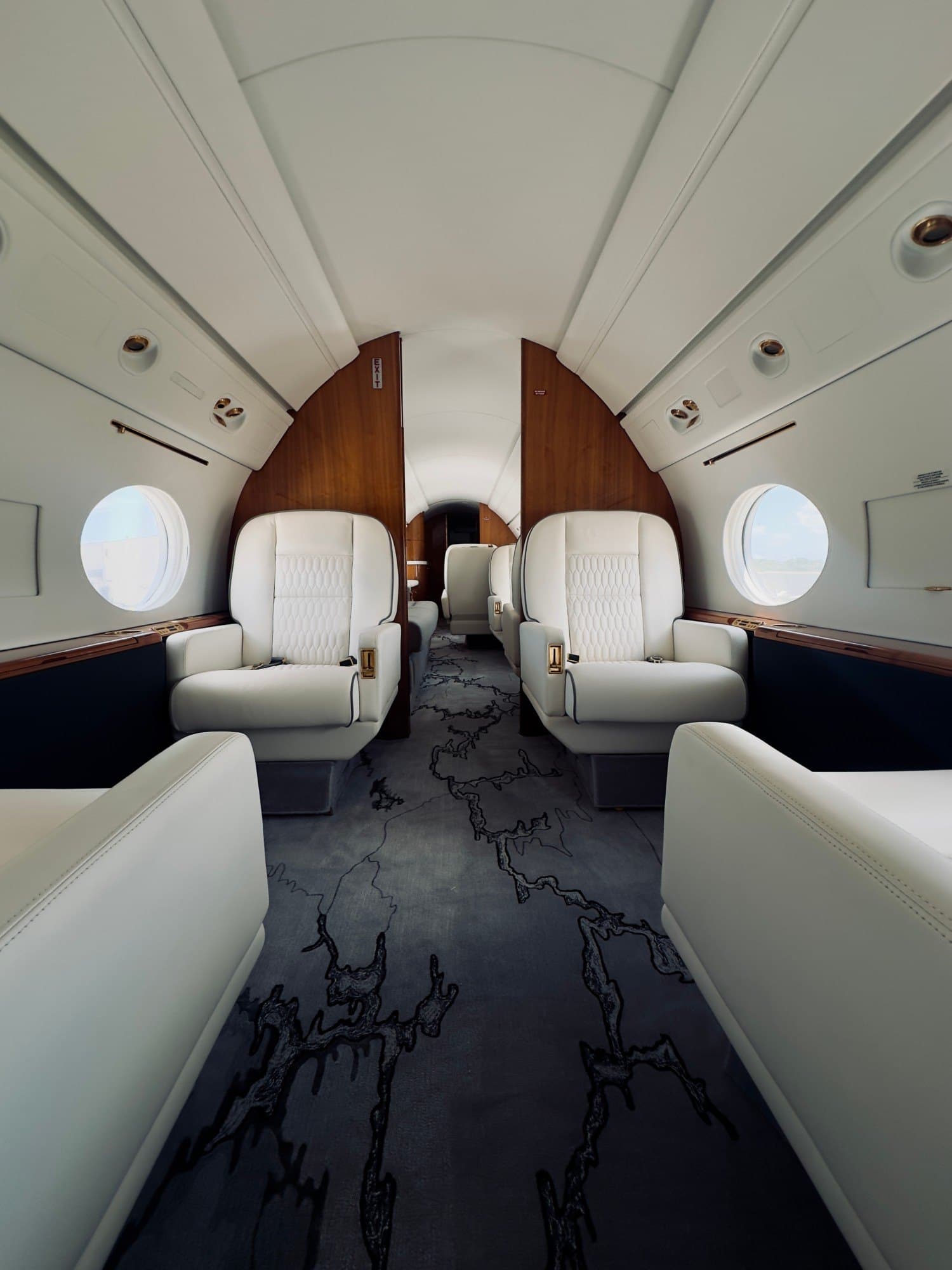
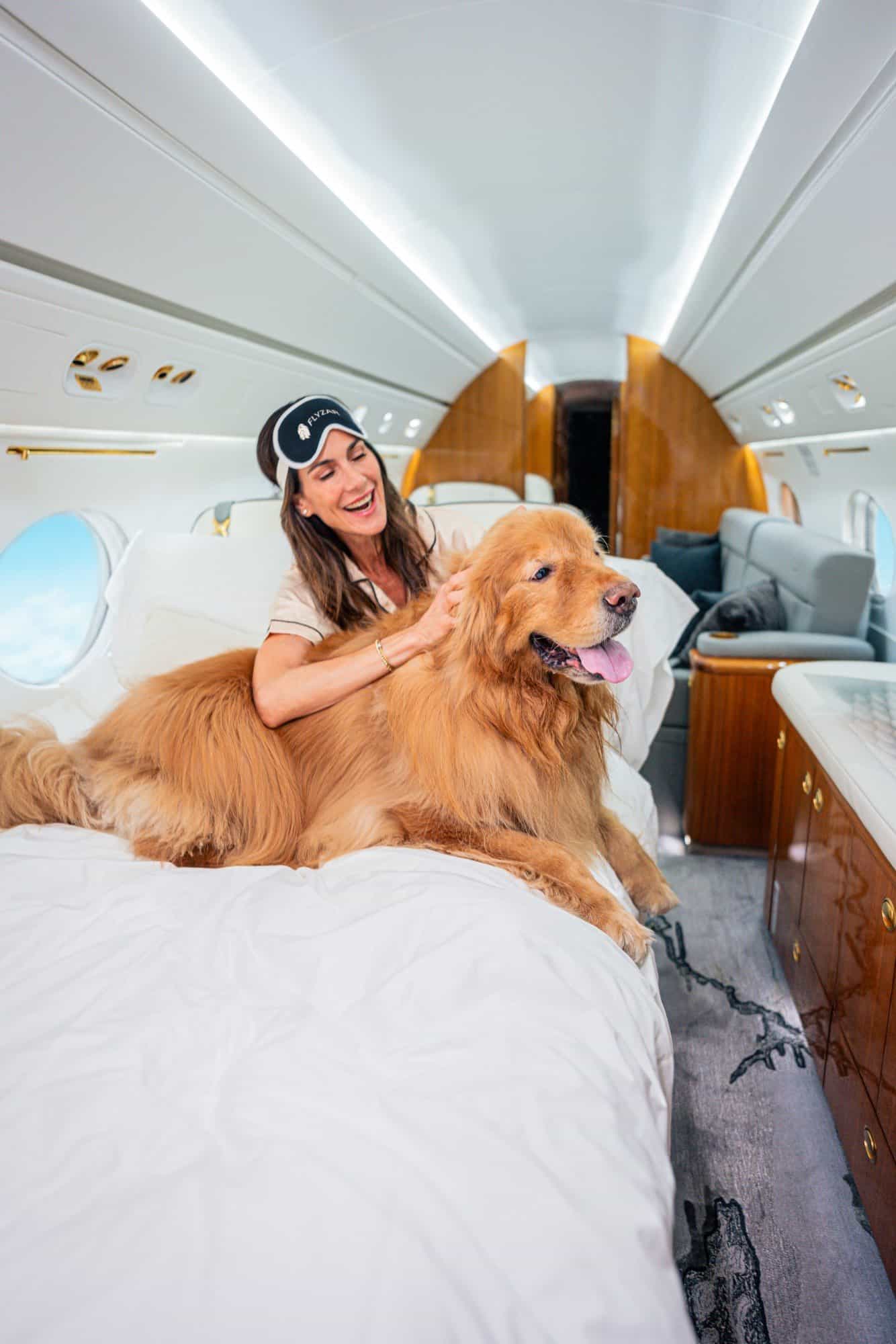
On an airline, a large dog usually travels in the hold and a small one in a carrier under the seat. A private flight has no such split. At Flyzar, pets are family: they board with you and travel in the cabin by your side. No cargo hold, no crates, no goodbyes.
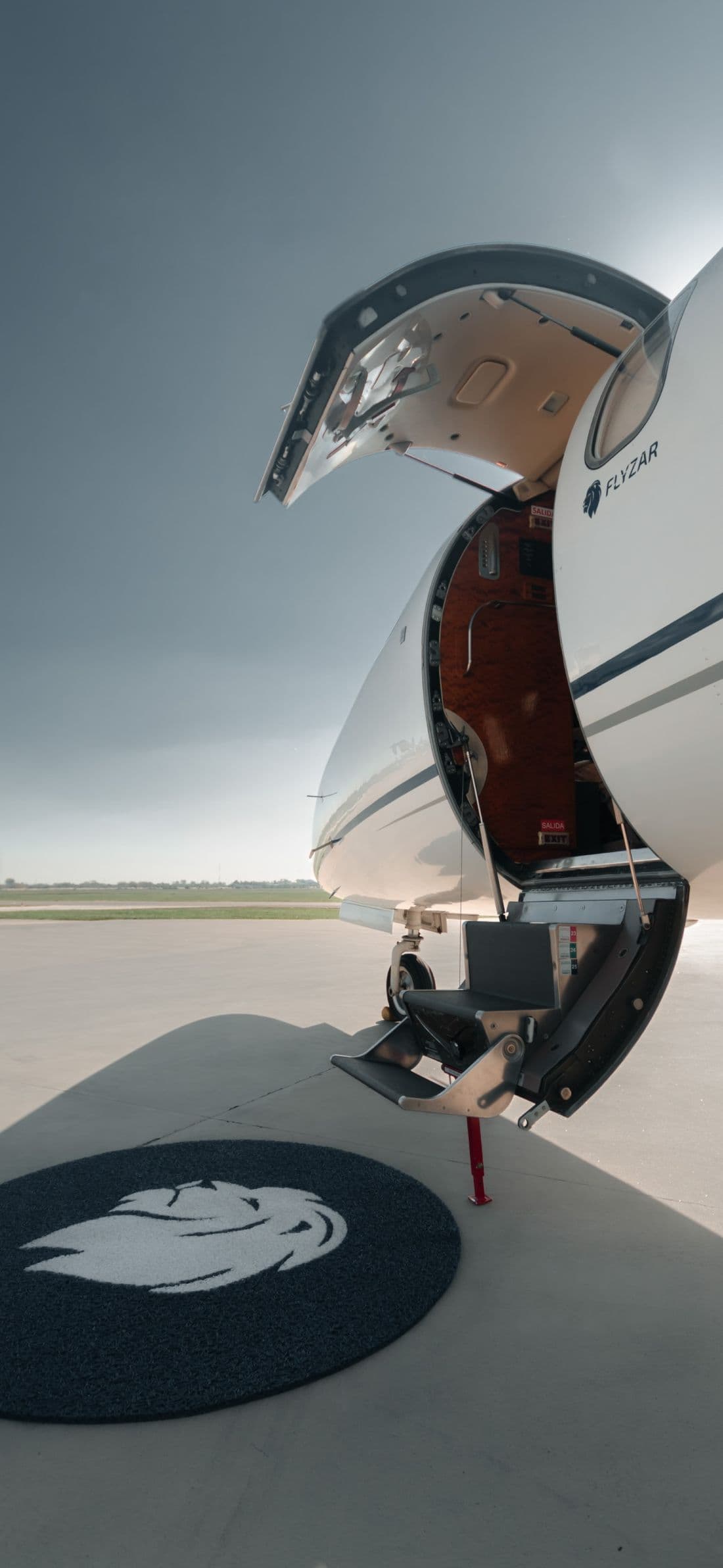
You board at our FBO in San Fernando, with no queues or crowded terminals. Your dog walks in with you, boards with you and gets off with you. Less waiting and less noise also mean less stress for the animal.
Is there a size limit?
There is no fixed size limit. What determines how many animals, and how large, can travel is the aircraft and the number of passengers, since the cabin space is shared.
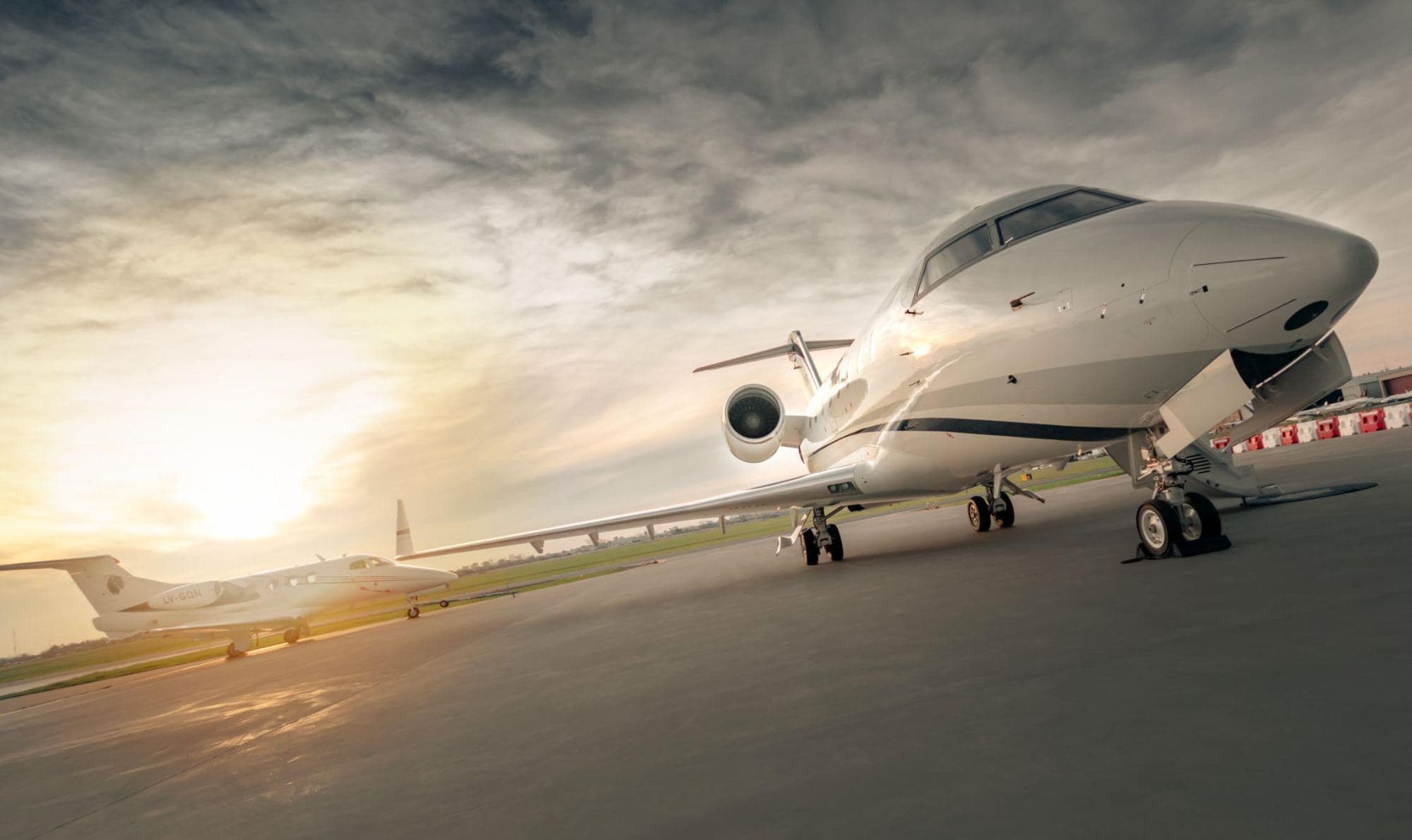
A small dog travels comfortably on any jet. For a large dog, or more than one animal, a wide-cabin aircraft such as the Challenger 605 or our Gulfstreams is the better choice. When you request a quote, tell us the breed, size and weight, and we will recommend the aircraft. If several passengers and more than one animal are flying, we factor that in so everyone travels comfortably.
Documents for flights within Argentina
A domestic flight involves no immigration or customs, and no paperwork with SENASA, Argentina's animal health authority. It is advisable to carry a current rabies vaccination certificate signed by a licensed vet, or the health booklet showing the vaccine.
Bring the original and a copy. The vaccine must be valid on the day of the flight; if your pet is a puppy or kitten and not yet vaccinated, check with us before booking.
Documents for international travel
To leave Argentina with a dog or cat you need the International Veterinary Certificate (CVI) issued by SENASA. It is prepared according to the destination country's requirements and issued in the name of the person traveling with the animal. A digital version exists for some neighboring countries, but only for travel by land: for a flight, the CVI is collected at a SENASA office. There are three steps:
- Check the destination's requirements on SENASA's online system. Each country sets its own vaccines, treatments and timeframes.
- Have a licensed vet certify what the destination requires: good health, a valid rabies vaccination and treatments such as deworming.
- Book an appointment, take those documents to a SENASA office and collect the CVI. On the day of the flight, bring the CVI and the original rabies vaccination certificate.
Requirements vary by destination
The CVI's validity is also set by the destination. For Chile, for instance, it is ten days from issue, so the dates need careful planning. Think about the return, too: depending on the country, the same certificate covers the trip back while it is valid, or you will need new paperwork there.
Entry requirements differ from country to country and change often. It pays to start early: some treatments must be given within a precise window of days before travel. We advise you on documents and health requirements, and our operations team confirms them before every flight. A few examples:
- Chile requires dogs and cats to be identified with a microchip or tattoo, and the rabies vaccine to have been given at least 21 days before entry.
- Uruguay, Brazil and Paraguay apply Mercosur rules: a recent health certificate, a valid rabies vaccination and deworming. For dogs over three months old, Uruguay adds a microchip and a negative leishmaniasis test.
- The United States requires dogs to be at least six months old, microchipped and covered by an online CDC form, and may ask for more depending on where the animal has been.
Tips for the day of the flight
A few simple details make the trip calmer for everyone:
- Take your dog for a walk before heading to the airport.
- Bring a leash, water, its blanket or bed and a familiar toy.
- Give a light meal a few hours before the flight, not right before boarding.
- Pack bags and an absorbent pad, just in case.
- If your pet gets anxious, talk to your vet before giving it any sedative.
- When you book, tell us how many animals are traveling, their size and their weight.